Top 10 Paid Media KPIs You Should Track to Maximize ROI in 2025
2 min read
In the rapidly evolving digital advertising landscape of 2025, understanding and monitoring the right Key Performance Indicators (KPIs) is crucial for maximizing Return on Investment (ROI). This guide outlines the top 10 paid media KPIs that marketers should focus on to ensure effective and efficient advertising campaigns.
1. Return on Ad Spend (ROAS)
ROAS measures the revenue generated for every dollar spent on advertising.
Formula:
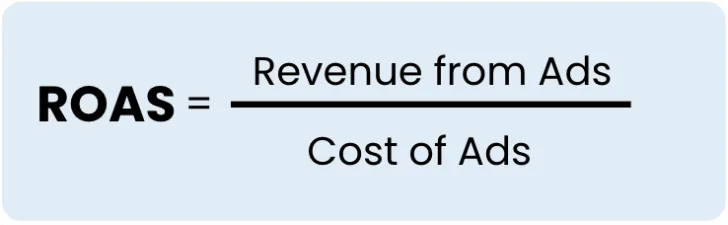
Why It Matters: A higher ROAS indicates more effective ad spend. It’s essential for assessing the profitability of campaigns.
2. Cost Per Acquisition (CPA)
CPA calculates the cost to acquire a customer through paid advertising.
Formula:
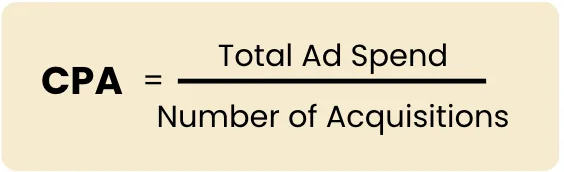
Why It Matters: Monitoring CPA helps in budgeting and evaluating the efficiency of marketing strategies.
3. Click-Through Rate (CTR)
CTR measures the percentage of users who clicked on an ad after seeing it.
Formula:
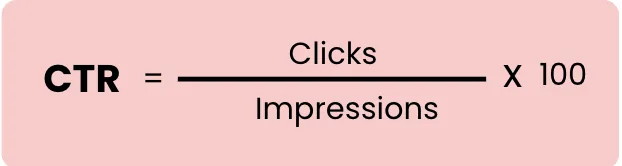
Why It Matters: A higher CTR indicates compelling ad content and effective targeting.
4. Conversion Rate (CVR)
CVR assesses the percentage of users who completed a desired action after clicking an ad.
Formula:
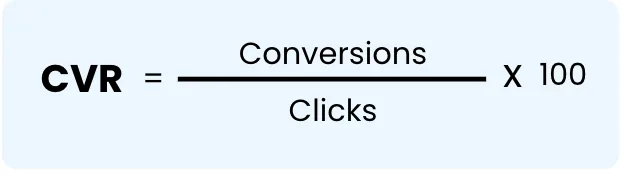
Why It Matters: It reflects the effectiveness of the landing page and overall user experience.
5. Cost Per Click (CPC)
CPC indicates the amount paid for each click on an advertisement.
Formula:
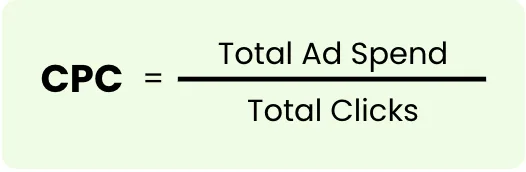
Why It Matters: Lower CPC can lead to more traffic within the same budget, enhancing campaign efficiency.
6. Impression Share
Impression Share represents the percentage of total impressions your ads receive compared to the total available.
Formula:

Why It Matters: It helps in understanding market presence and identifying opportunities for increased visibility.
7. Quality Score
Quality Score evaluates the relevance and quality of your ads, keywords, and landing pages.
Why It Matters: Higher Quality Scores can lead to lower CPCs and better ad placements.
8. Bounce Rate
Bounce Rate measures the percentage of visitors who leave the landing page without any interaction.
Formula:

Why It Matters: A high bounce rate may indicate irrelevant traffic or poor landing page experience.
9. Customer Lifetime Value (CLTV)
CLTV estimates the total revenue a business can expect from a single customer account.
Formula:

Why It Matters: Understanding CLTV helps in making informed decisions about customer acquisition spending.
10. Ad Frequency
Ad Frequency tracks how often the same user sees your ad within a specific time frame.
Why It Matters: Optimal frequency ensures brand recall without causing ad fatigue.
Conclusion
By focusing on these top 10 paid media KPIs, marketers can gain valuable insights into their advertising performance, make data-driven decisions, and optimize campaigns for better ROI in 2025.
Keep reading
All posts
This is the part
we actually fix.
Ad accounts, funding, policy cover and the day-to-day running of it. Tell us the platforms and the markets you need.
- Same business day response
- No lock-in period